Last week saw the start of a two part series of posts entitled “An Introduction to Digital Marketing” whereby we began talking through some of the slides that we presented at the University of Huddersfield Barnsley Campus a few weeks ago. Part 1: Social Networking discussed various social media platforms and what they can be useful for, as well as going into detail on how to get your work seen by as many people as possible.
As we mentioned last week, this series is designed to educate newcomers to Web about the easiest ways to market themselves online, and probably won’t tell all you hardcore Internet geeks anything you don’t already know…
This week we will be talking about the benefits of blogging, and how sometimes, if done correctly, it can be even more effective than using the likes of Facebook and Twitter to draw attention to your creative output.
The word ‘Blog’ comes from the term ‘Web Log’ and simply refers to a website where users post articles, usually including text, images, and videos, on either topical subjects or their life. There are many different ways of doing this and here are just some of them…
These are four of the biggest blogging platforms available for free on the Web today. They are available to anyone and require only a quick sign up in order to get going. You don’t need to be a web designer and you don’t need to know any code, you simply have to have something to write about…
If you’re planning to use these platforms in their default state, and you’re not interested in customising them at all, then there isn’t really much to choose between them… simply take a look around and settle with the one that you think you’re going to get on with the best!
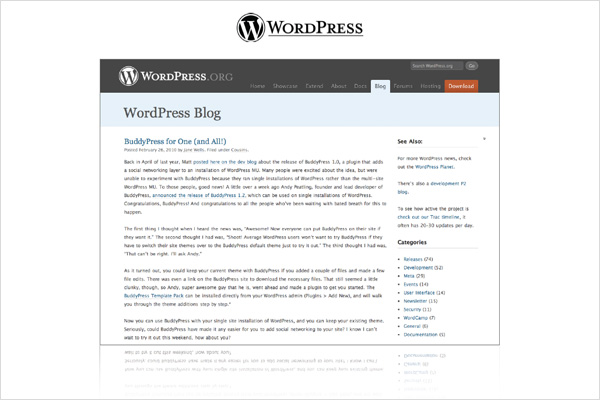
WordPress is one of, if not the biggest blogging platform around at the moment, but this is mainly due to the fact that it is very versatile. As I previously mentioned, you can use it ‘online’ without any customisation, but if you know a little about Web development you can opt to download and install it on your own server. Doing this enables you to completely customise it if you wish, either by hacking the CSS of a current theme, or installing a theme that has been designed by someone else.
The great thing about it being so popular is that there are tonnes of tutorials out there to help you through downloading and installing themes. WordPress’ own documentation is actually amongst some of the best so make sure you check that out.
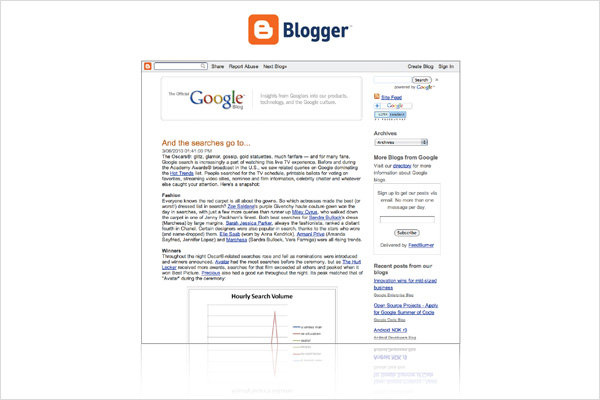
Blogger is probably thought of as being a little bit ‘old skool’ now, but it still a great site for people with limited Web knowledge to get their content out there. It’s really easy to customise as it lets you choose from a number of templates to instantly get the look and feel that you want, with little to no effort!
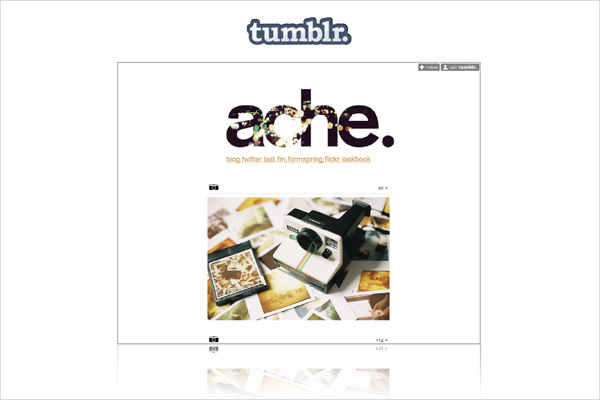
Tumblr is one of the newest and ‘coolest’ blogging platforms that a lot of creatives are using. It’s got a really clean and simple feel and there are so many things you can do with it that it’s hard to even suggest you try anything else! There are loads of really nice themes to choose from, you can post almost anything without a problem - photos, text, music, links, slideshows etc, you can set it to publish to all your favourite social networking platforms, and if you’re feeling even more adventurous you can even add analytics or create your very own theme from scratch!
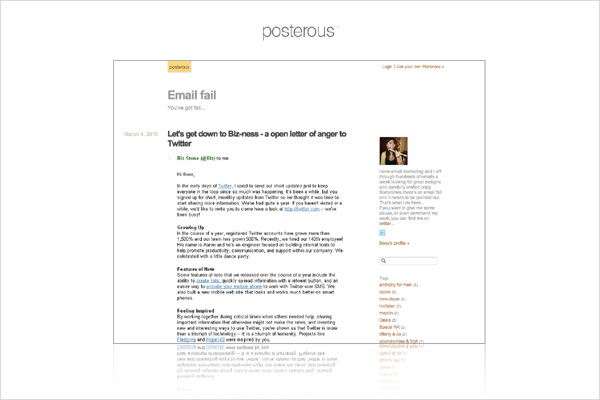
Posterous is possibly the most simple way to post things online. You don’t even need to sign up to it to make your fist post, you simply email them your article, with whatever attachments you like (images, music etc) and your account is created instantly! Due to the fact that Posterous is all about making things easy, the default site design is really simple to navigate and very easy on the eye, so if it was me, I’d be perfectly happy leaving it as it is, but if you don’t want to then there are plenty of themes to choose from…
Just like Tumblr you can automatically post to all the major social media sites, add analytics to track your readers, and have a unique web address where your blog can be viewed. But one other great thing about it is that you can email your all your subscribers instantly, which means they get your content right in their inbox - they never even have to visit your site to see what you’ve been up to!
To put it bluntly, there’s no point in writing about things that everyone already knows because no one will want to read it. If you are creating a blog to share your work then great, everything that you post will be original, but try and writing about things that are happening in your industry every so often too… If you are up to date with current trends or advances in the technologies that you are using then firstly people will respect you more for being knowledgeable, and secondly you will hit up higher on the search engines, which will therefore bring more people to your blog and draw more attention to your work.
I don’t think I really need to explain this one.
As with most things, users like consistency and regularity and it’s therefore important to schedule your blog posts around the same time each week, every two weeks, or however often you decide that you want to post. The more you post, the more subscribers you’ll get (so long as the content is good), and the more important it will be to keep updating at similar times - but that’s a good thing, right? If you leave it too long between posts you probably won’t interest enough people for it to be really beneficial, but if you put the effort in and keep it up then you can get a phenomenal amount of free publicity through blogging.
RSS stands for ‘Really Simple Syndication’ and is basically a way for people to read your posts from little applications outside of your main blog website. This is great because it removes some of the effort required by your users to find your new content. As soon as you publish a new post, their RSS reader will update and the content will be brought right to them! If you don’t advertise the fact that you’ve got an RSS feed people will find it difficult to access though, so when you’re creating your theme, or choosing one that’s already been designed for you, make sure that it has the option of having a prominent RSS icon (just like the ones on this site).

So that’s a wrap, if you can spare the time and effort to build up a really great blog then it can really pay off. Many of the top designers in the world get a lot of their work purely because they write credible, interesting blogs. Their posts get passed around the Internet and linked to by hundreds of sites and they get pushed up the Google rankings, making themselves more accessible to potential clients. It doesn’t just work for Web and graphic designers though… everyone is using the Internet these days and the more content you put on there, the more likely you are to be found. Creating a blog is probably the easiest way to expand your online presence and start to build up a portfolio of work…
If you’re interested in reading more about some of the lastest Online Portfolio websites then check out our post on 4 Great New Ways to Share Your Creativity.
Shortlink:
By Chris Skelton
Pingback: An Introduction to Digital Marketing - Part 1: Social Networking | What!? We Like To Talk About