There’s no denying that a solid grid system is imperative to the design of any successful website, but there’s not enough variety in what I’m seeing out there. It’s all the same, and it doesn’t all work. I’ve titled this post “Ye Olde 960 Grid System” because I think this grid (whether fixed or responsive) is exactly that. Old.
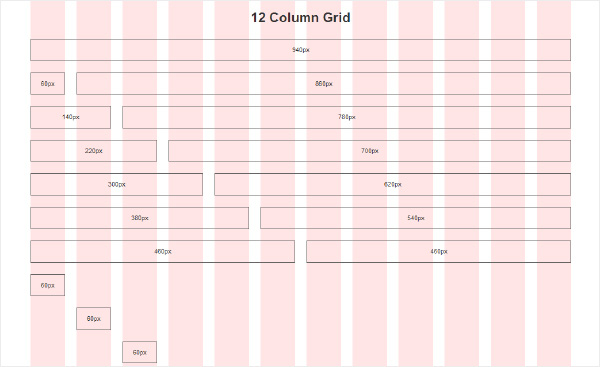
Mark Boulton has been talking about taking a “content out approach” to web design for a while now and I think moving away from the ‘standard’ grid fits into this approach perfectly. Unfortunately I haven’t attended any of the conferences where he’s been discussing this topic (so, sorry Mark, you may have covered this), but using the 960 grid (or any of the slight variations) as a starting point is too easy. It’s lazy. We should let the content decide the grid, not force it into a tried and tested method that’s supposed to be ‘the best’ way.
There should be no ‘best way’. We should be as creative with our grid as we are with the rest of the design, or the UX, or the copywriting. Every time I’ve set up my 12 or 16 columns and started trying to fit content into it, I’ve always had to change something because it just doesn’t quite work. Not for everything anyway.
Sometimes it’ll work perfectly I’m sure, but I just think it’s relied upon far too much. And now with Twitter’s Bootstrap toolkit being based on it we’re going to see even more of the web forced inside a template.
C’mon people. It’s one thing using a boilerplate for, say, HTML5, which is designed to help move the web forward, but using it for our layouts too? The web is moving so fast with responsive / adaptive layouts, CSS3, HTML5, and a better understanding of UX and content strategy that an over-reliance on this grid system is soon going to start holding things back.
Start with the content, and build your website around it. You’ll learn more about grids, and we’ll start to see a more interesting web.
By Chris Skelton